Structural learning for the aircraft maintenance licence. The Part-66 syllabus is split into 307 chapters, and everything here follows it: read the study note, drill that chapter, and the Intelligent Progress Center shows you which chapter to study next.
20,303 Part-66 questions across all 18 EASA modules and UK CAA Module 10, each with an explanation
Timed mock exams with the official question count, time limit and 75% pass mark for your licence category
Study notes for 17 modules that you can read or watch as narrated slides
Essays marked in seconds against the examiner Key Points for Modules 7, 9 and 10
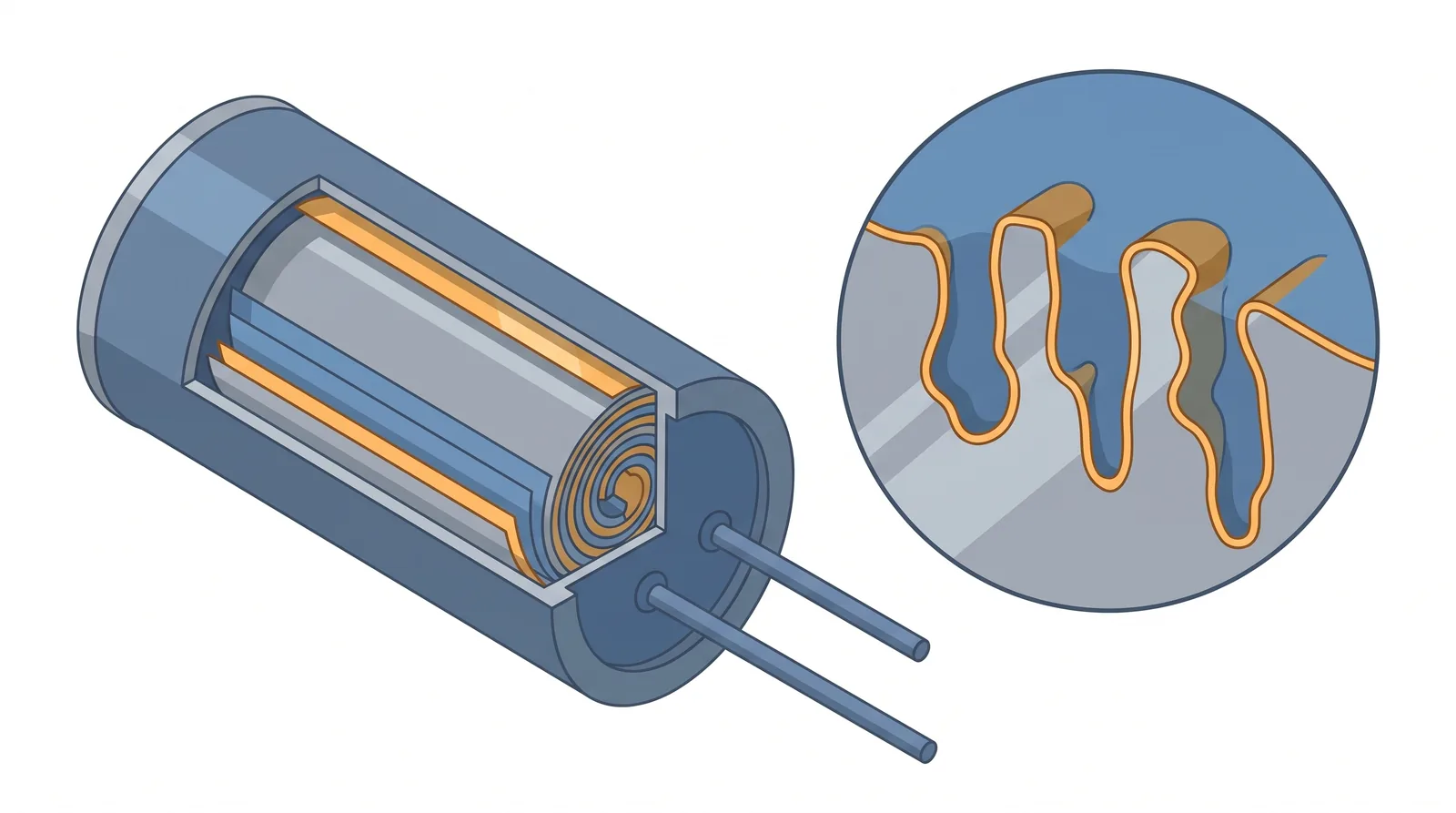
A capacitor stores energy in an electric field between two conductive plates separated by an insulator (dielectric). Capacitors are found throughout aircraft systems — in power supply filtering, radio tuning circuits, timing circuits, and surge protection.
Etched anode foil lined with thin oxide; the liquid electrolyte fills every pit to contact the whole area.
KEY FORMULAC = Q / V
Module 3 — Electrical Fundamentals
3.4 — Generation of Electricity
Practice · 32 questions Watch · 67 min
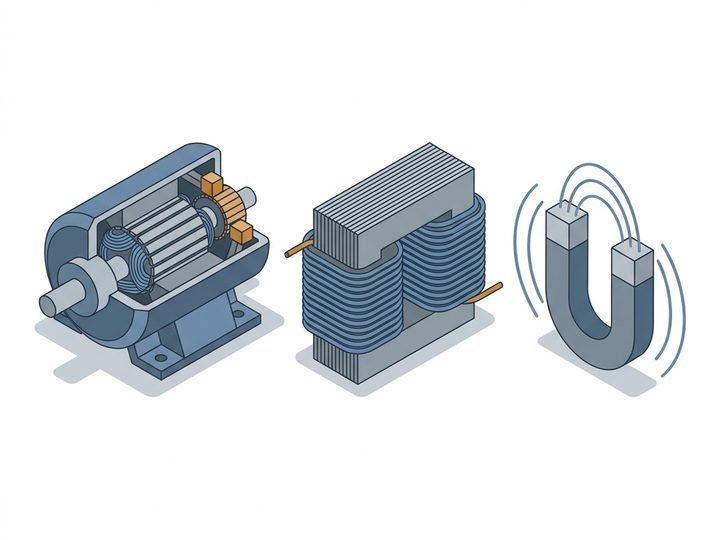
Electricity can be generated by several different methods, each converting a different form of energy into electrical energy. Aircraft systems exploit many of these methods — from generators (magnetism) and thermocouples (heat) to piezoelectric sensors (pressure).
Static dischargers19 / 24The discharge path runs from the structure into the air
EXAM TIPA fuel probe measures; it is not a method of generating electricity.
Module 3 — Electrical Fundamentals
3.3 — Electrical Terminology
Practice · 31 questions Watch · 52 min
This section defines the fundamental electrical quantities and their units. A clear understanding of voltage, current, resistance, and related concepts is essential before studying circuits, components, and systems in the remaining sections of Module 3.
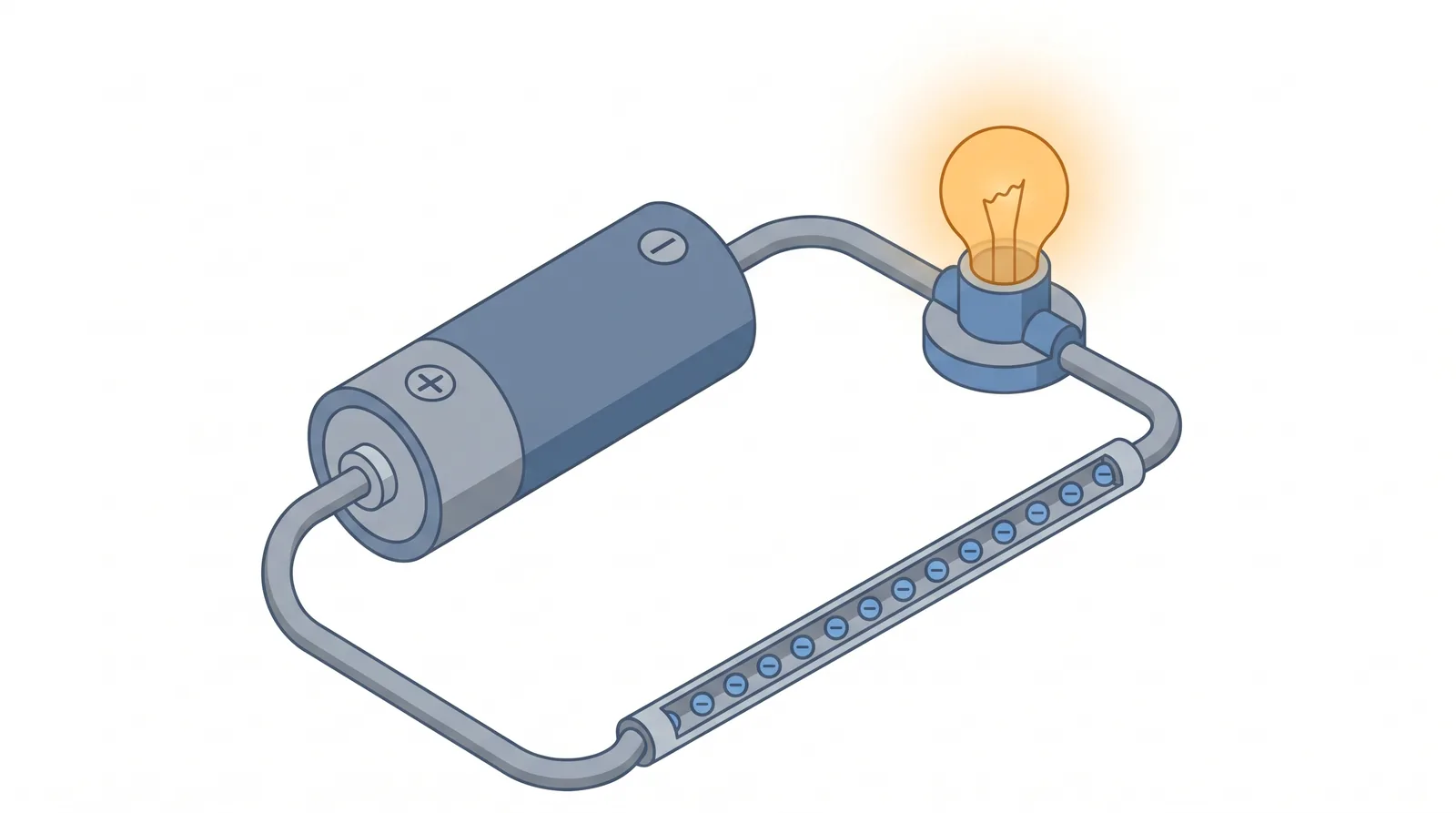
A cell lighting a lamp: the metal wire is full of free electrons, the carriers that electron flow describes.
KEY FORMULAV = I × R
Module 3 — Electrical Fundamentals
3.2 — Static Electricity and Conduction
Practice · 38 questions Watch · 84 min
Static electricity deals with electric charges at rest, as opposed to current electricity where charges flow continuously. Static build-up on aircraft can damage sensitive electronics, cause radio interference, and even pose ignition hazards during refuelling.
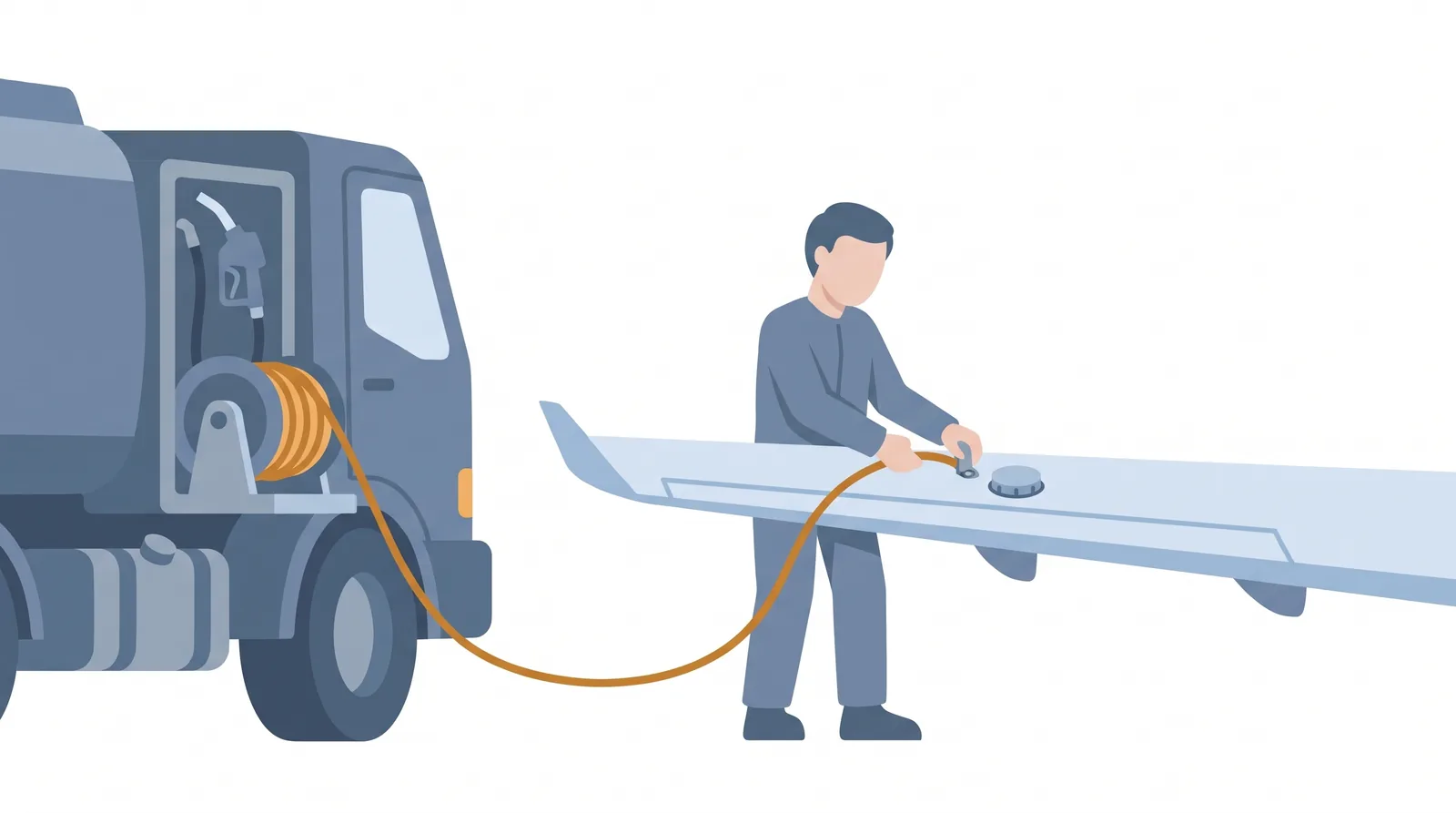
Bond first: the bonding cable joins bowser and aircraft before any filler cap is opened.
WARNINGConnect the bonding cable before opening any filler cap.
Module 3 — Electrical Fundamentals
3.1 — Electron Theory
Free preview Watch · 57 min
Electron theory explains the fundamental nature of electricity by examining atomic structure and the behaviour of electrons. This section lays the groundwork for understanding how electrical current flows and why different materials conduct electricity to different degrees.
Set that against the gaps7 / 25The gap compared with the thermal energy available
Thermal energyAvailable at room temperature
Silicon gapRoughly forty times: a small fraction cross
Structural learning: the syllabus, one chapter at a time
The exam is written against syllabus paragraphs, so that is how everything here is organised. The note you read, the questions you drill and the progress we measure all carry the same reference.
Module 3 — Electrical fundamentals
18 chapters · 1,266 questions · 18 study notes
3.1Electron Theory91%
3.3Electrical Terminology77%
3.9Capacitance/Capacitor58%
Study note9 sections, 14 worked examples, 15 key formulasRead Watch
Chapter drill91 questions from 3.9 and nothing elsePractice 10
Ranked #1 in your plan for today58% over 24 answers, below the 75% pass mark
A study note written to that syllabus paragraph, with worked examples, key formulas and warnings. Read it, or watch it as narrated slides.
2
Drill the chapter
10, 20 or 30 questions from that chapter only, or a set of chapters you pick. A bad run never dents your module average.
3
Learn from every answer
Each question explains the right answer the moment you choose. Your mistakes go to Weak Areas, so they come back until you get them right.
4
Follow the plan to exam day
The Progress Center ranks your weakest chapters, tracks readiness per module and counts down to your exam dates. Then sit a timed mock exam for your licence category.
The Intelligent Progress Center tells you what to study next
It reads every answer you give and ranks your weakest syllabus chapters by how sure the evidence is, so eight answers at 50% outrank one unlucky question.
Exam Ready = 90% or more across five or more quizzes
7. Maintenance practicesNeeds Work68% · 6 quizzes
3. Electrical fundamentalsOn Track81% · 9 quizzes
8. Basic aerodynamicsExam Ready92% · 7 quizzes
11. Aeroplane aerodynamics, structures and systemsNeeds More Data71% · 2 quizzes
Study days · 8 weeks
Questions answered per day
34 / 56 daysLess More
Where your effort went
Share of answers · accuracy
3. Electrical fundamentals81%
8. Basic aerodynamicsREADY92%
7. Maintenance practicesWEAK68%
11. Aeroplane aerodynamicsWEAK71%
A large share of your effort went to Module 8, which is already exam-ready at 92%.
Sample data. Yours appears after your first quiz, and chapter-by-chapter guidance after about three.
Mock exams in the format of the real exam
Every module has a timed mock exam for each licence category that sits it: the official number of questions and time limit from Appendix II of Part-66, marked against the 75% pass mark.
The official question countSet by Appendix II for your category: Module 10 is 44 questions for B1, Module 11 is 140 for B1.1.
The official time limit75 seconds a question, on a live countdown. At zero the exam ends, and unreached questions count as wrong.
Marked against the 75% pass markPass, or how many more correct answers you needed.
Only your category’s topicsQuestions on topics your category is not examined on are left out.
Review, then sit it againEvery answer is listed on the results page, your mistakes go to Weak Areas, and each attempt draws new questions.
EASA Part-66 study notes you can read or watch
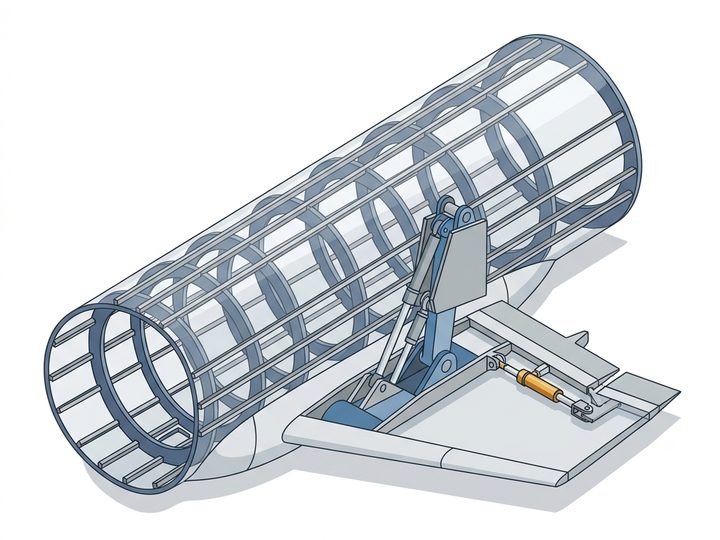
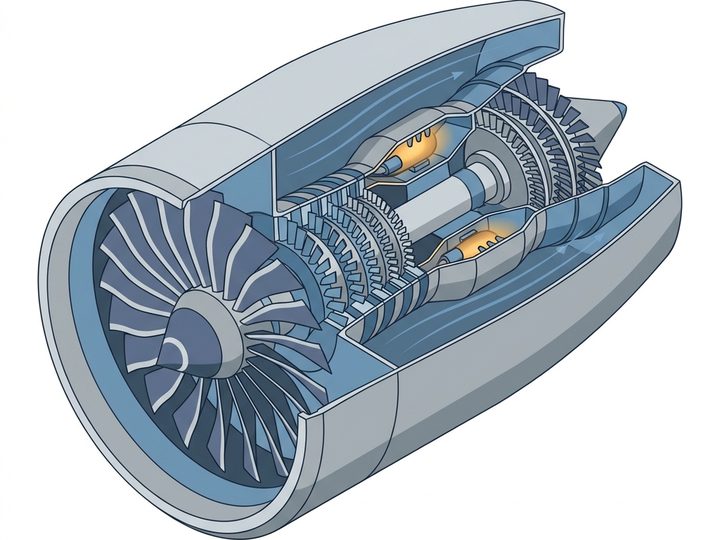
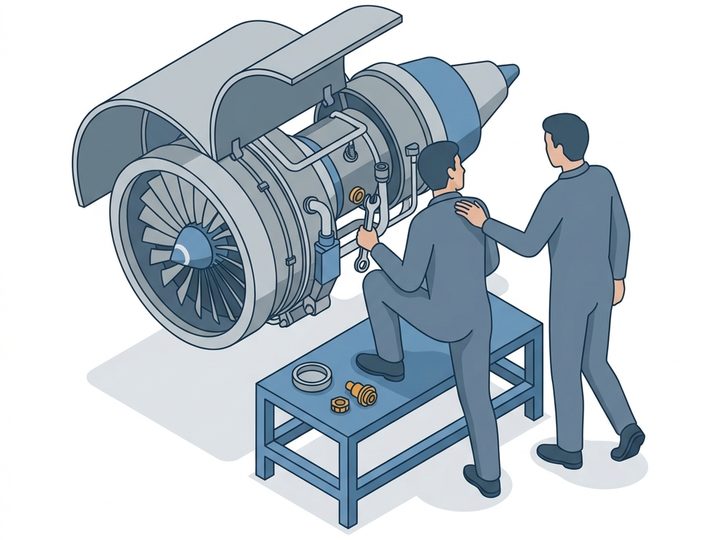
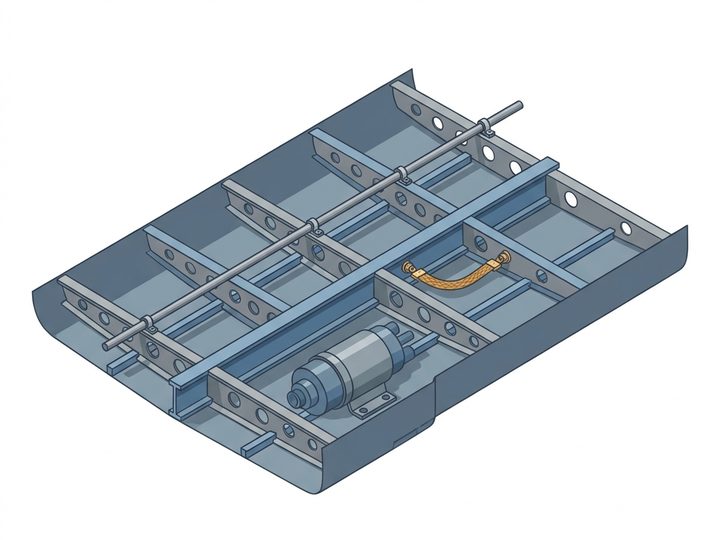
Written paragraph by paragraph against the syllabus, so each note matches one chapter and opens that chapter's drill. Watch turns the note into narrated slides, section by section, and new illustrations show what the text describes.
296 notes, all 17 modules
9,500+ pages of material
Worked examples, key formulas, tables and warnings
Watch mode: narrated slides, section by section
€99.99for one year of online access. Offline PDF books €299.99.
All 18 EASA Part-66 modules, plus UK CAA Module 10 written to UK law. Open a module for its syllabus, sample questions and the exam format for each licence category.
All EASA module content aligned with Commission Implementing Regulation (EU) 2023/989 and (EU) 2025/111, which added Module 18 and subcategory B1.E from 13 February 2026. UK CAA Part-66 candidates: the 75% pass mark and question format are the same, but the UK still examines to its 2020 syllabus text, and Module 10 differs. UK CAA vs EASA. UK candidates can practise UK CAA Module 10, written to UK law, next to the 18 EASA modules. Valid prep for Australia's CASA Part 66 self-study exams too.
Part-66 is Annex III to Regulation (EU) No 1321/2014. It sets the aircraft maintenance licence and its categories: A, B1, B2, B2L, B3 and, since 13 February 2026, B1.E. Each category requires a set of the 18 modules, and each module has its own exam with a 75% pass mark.
How many practice questions are there?
20,303 questions across the 18 EASA Part-66 modules and UK CAA Module 10, plus 25,427 aircraft type-rating questions. Every question shows an explanation when you answer it.
Can I sit a mock exam in the real exam format?
Yes. Every module has a timed mock exam for each licence category that sits it, with the official number of questions and time limit from Appendix II of Part-66: Module 10 for B1, for example, is 44 questions in 55 minutes. It is marked against the 75% pass mark, and questions on topics your category is not examined on are left out. See every mock exam.
How do I practise the essay papers?
Modules 7, 9 and 10 include a written essay. Essay Practice gives you the 20-minute clock and marks your answer against the examiner Key Points, each one covered or missed.
How are the explanations checked?
Each explanation is written by solving the question from scratch, then checked three ways before it goes live: is the marked answer right, is every statement in it correct, and is anything in it invented. It is published only when all three checks pass. Reports from students are reviewed every morning, and a confirmed mistake is corrected in the bank.
What is structural learning?
Studying the Part-66 syllabus in its own structure: module, then chapter, then paragraph. Here the study note, the chapter drill and the Progress Center all use the same syllabus reference, so you always know which chapter a gap belongs to and what to do next.
Does it work for UK CAA candidates?
The 75% pass mark and question format are the same, but the UK still examines to its 2020 syllabus text and Module 10 differs. UK candidates can practise a separate UK CAA Module 10 written to UK law.
What does it cost?
An account is free. A subscription for every question bank is €5 for one month, €25 for six months or €45 for a year. Study notes are €99.99 for a year of online access, and the PDF question bank is €99.99 one-time.
We use essential cookies to keep you signed in, plus anonymous analytics to understand how the site is used. Cookie-based analytics is set only with your consent. See our
Privacy & Cookie Policy.